Do Herniated Discs Heal Without Surgery?
Can a Herniated Disc Heal Without Surgery? What You Should Know
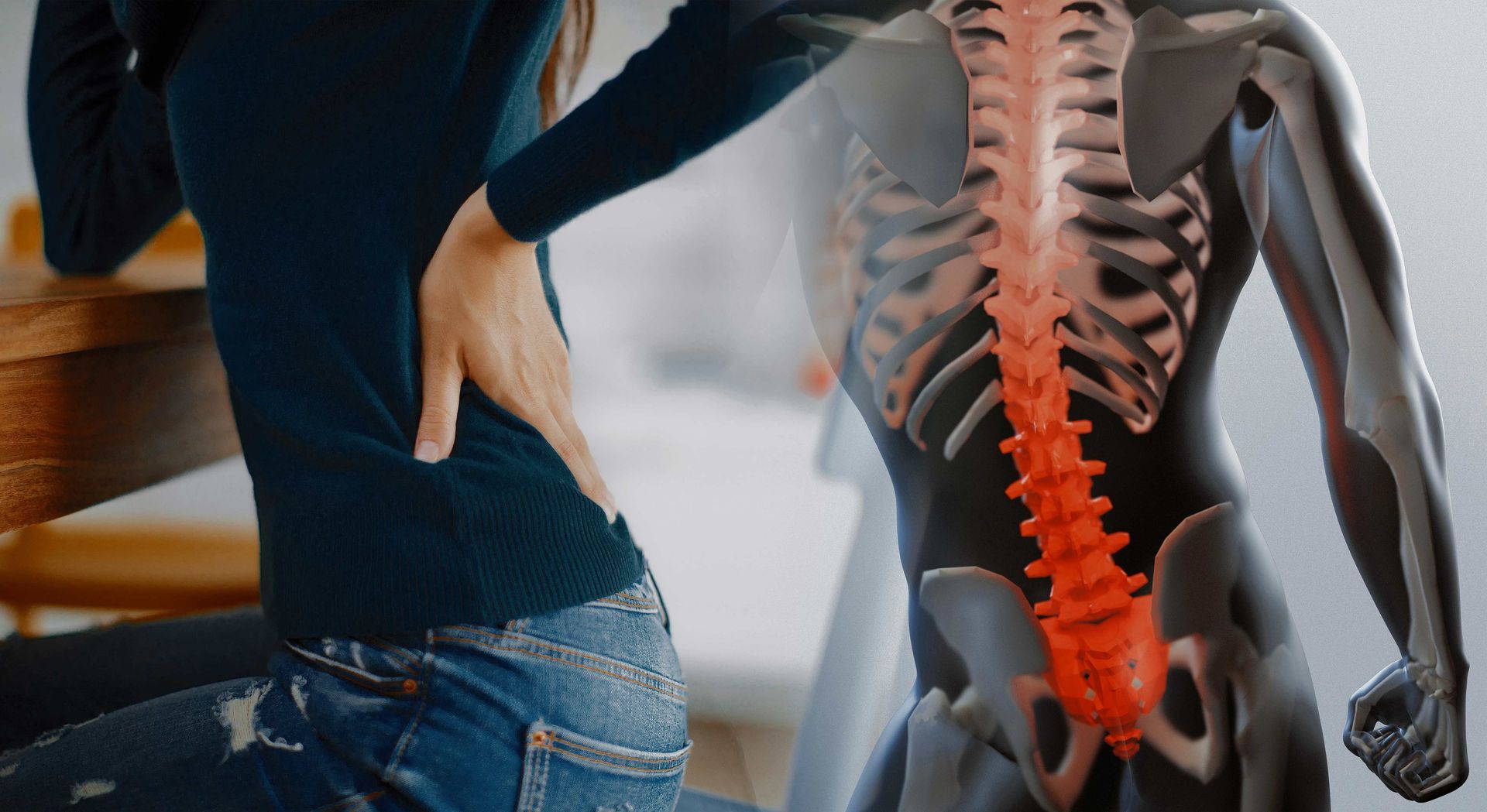
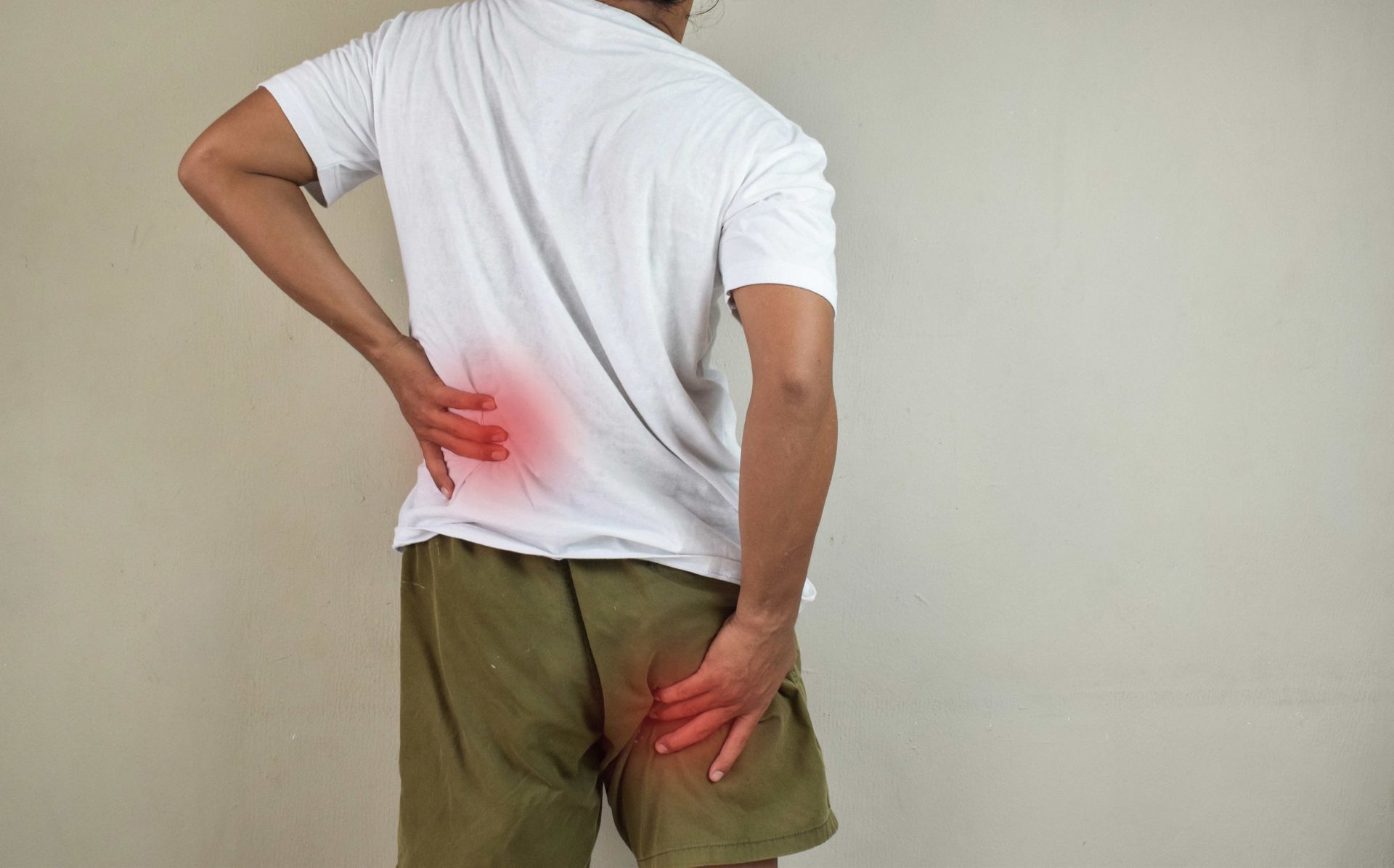
A herniated disc diagnosis can sound intimidating, especially when pain interferes with work, sleep, exercise, or family activities.
One of the most common questions people ask is whether a herniated disc can heal without surgery.
The answer is yes, in many cases, symptoms improve with time and appropriate conservative care. However, recovery varies, and not every disc herniation follows the same course.
Understanding what healing means, which treatment options may be available, and when additional medical care is necessary can help you make informed decisions.
Can a Herniated Disc Heal Naturally?
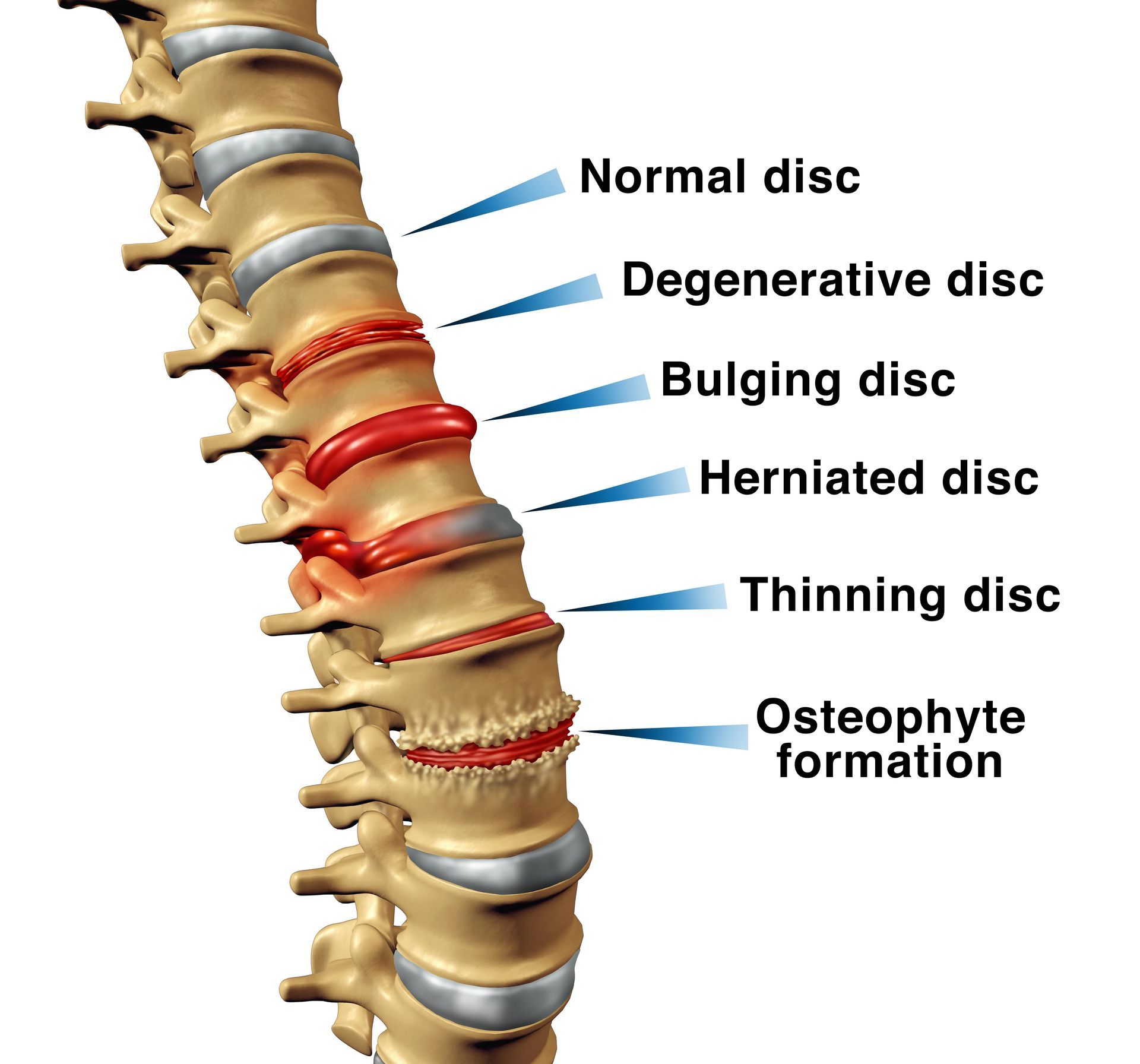
A herniated disc occurs when material from the inner portion of a spinal disc pushes through a weakened or damaged area of the outer layer.
Over time, some herniations can undergo a process called spontaneous resorption, in which the body gradually breaks down and reabsorbs some of the displaced disc material.
This process does not occur in every case, and the extent of change varies.
Importantly, improvement in symptoms does not always mean the disc has returned to its original shape. People may feel better as inflammation decreases and irritated nerves recover, even if imaging continues to show disc changes.
How Long Does It Take to Recover From a Herniated Disc?
There is no single recovery timeline.
Some people experience meaningful improvement over several weeks, while others have symptoms that persist for months or longer. The outlook depends on factors such as the location and severity of the herniation, nerve involvement, overall health, and daily activity demands.
Recovery should be evaluated by more than pain alone. Changes in mobility, sleep, daily function, strength, and neurological symptoms may also matter.
If symptoms are not improving, interfere significantly with daily life, or continue to worsen, seek further medical assessment.
What Non-Surgical Treatment Options May Be Available?
When appropriate, conservative management may include several approaches.
Staying active within your limits
Extended bed rest is generally not recommended for routine back pain. Gentle movement and a gradual return to activities may help maintain function, provided they are appropriate for your symptoms.
Individualized exercise and rehabilitation
A clinician may recommend specific exercises or rehabilitation strategies based on your symptoms, strength, mobility, and functional needs.
Medication when appropriate
A medical professional may discuss medication options based on your medical history, other medications, risks, and symptoms.
Chiropractic care for selected patients
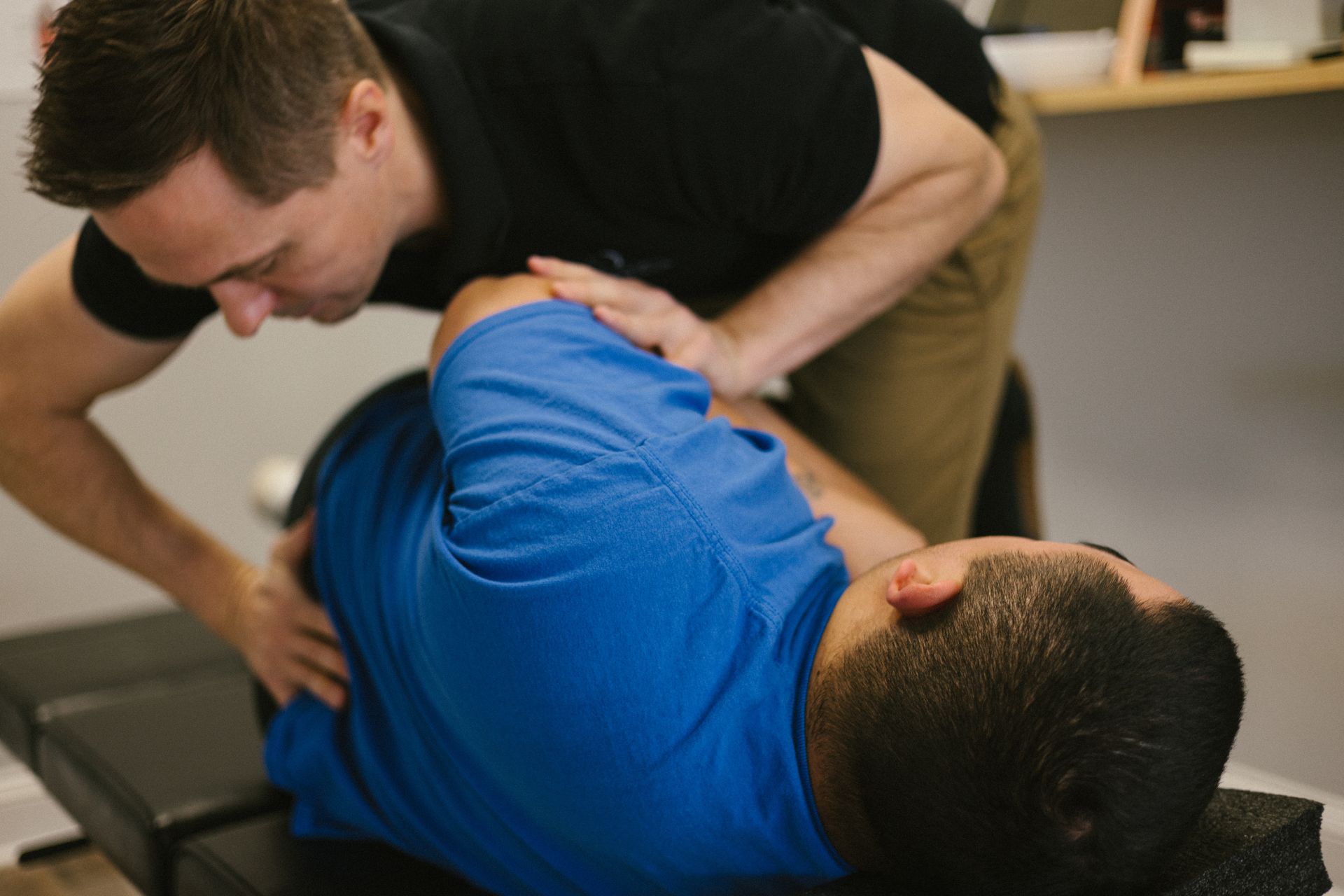
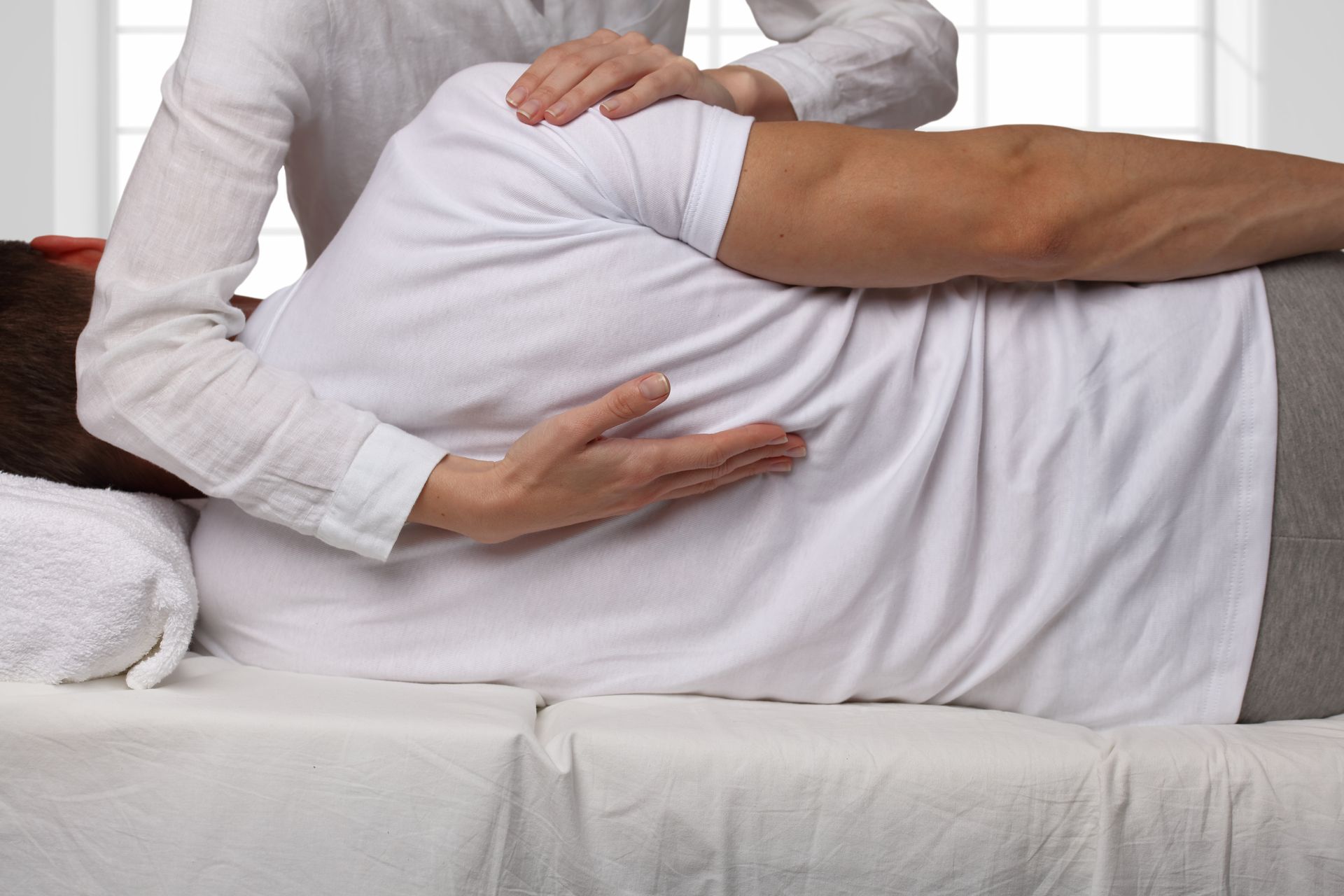
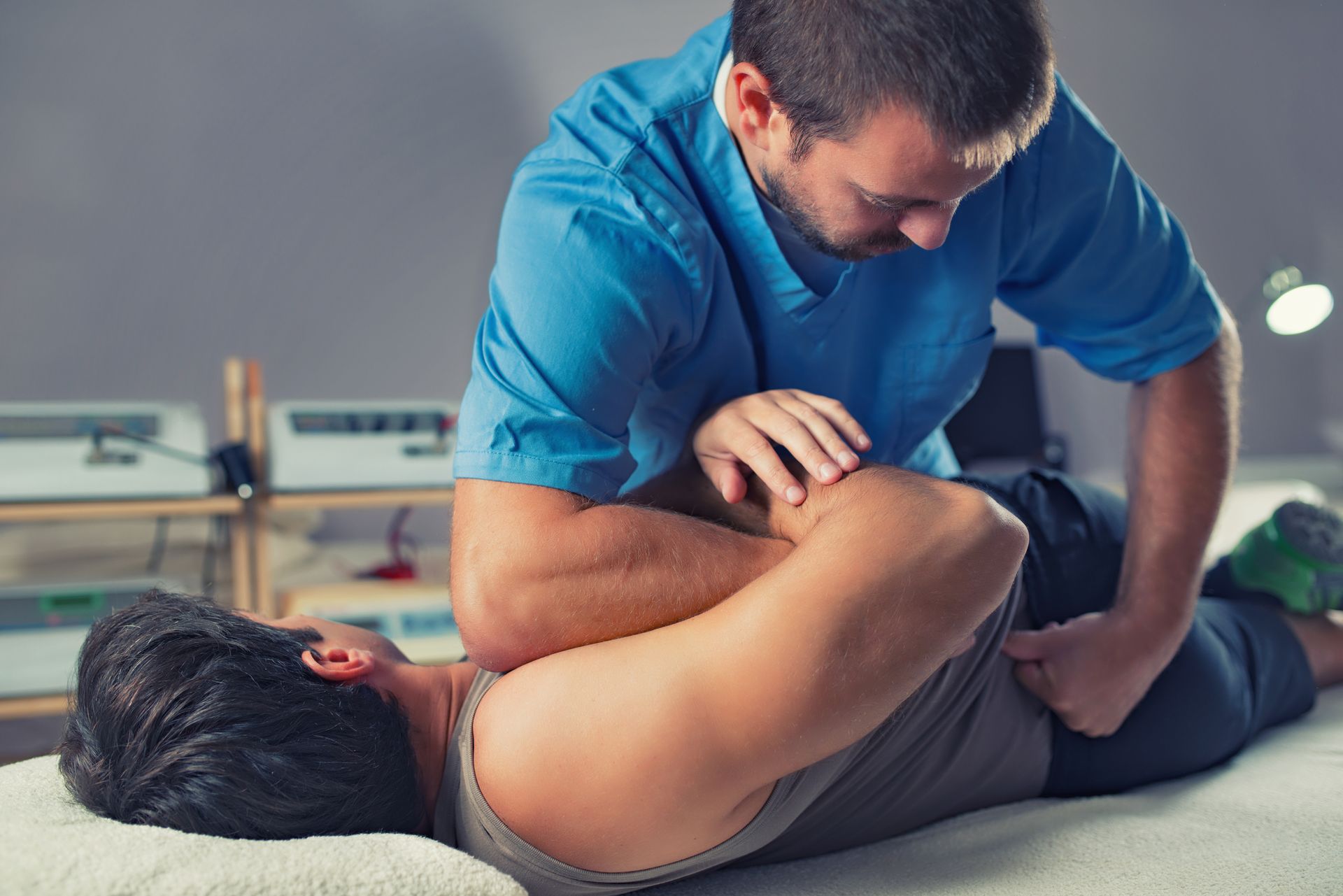
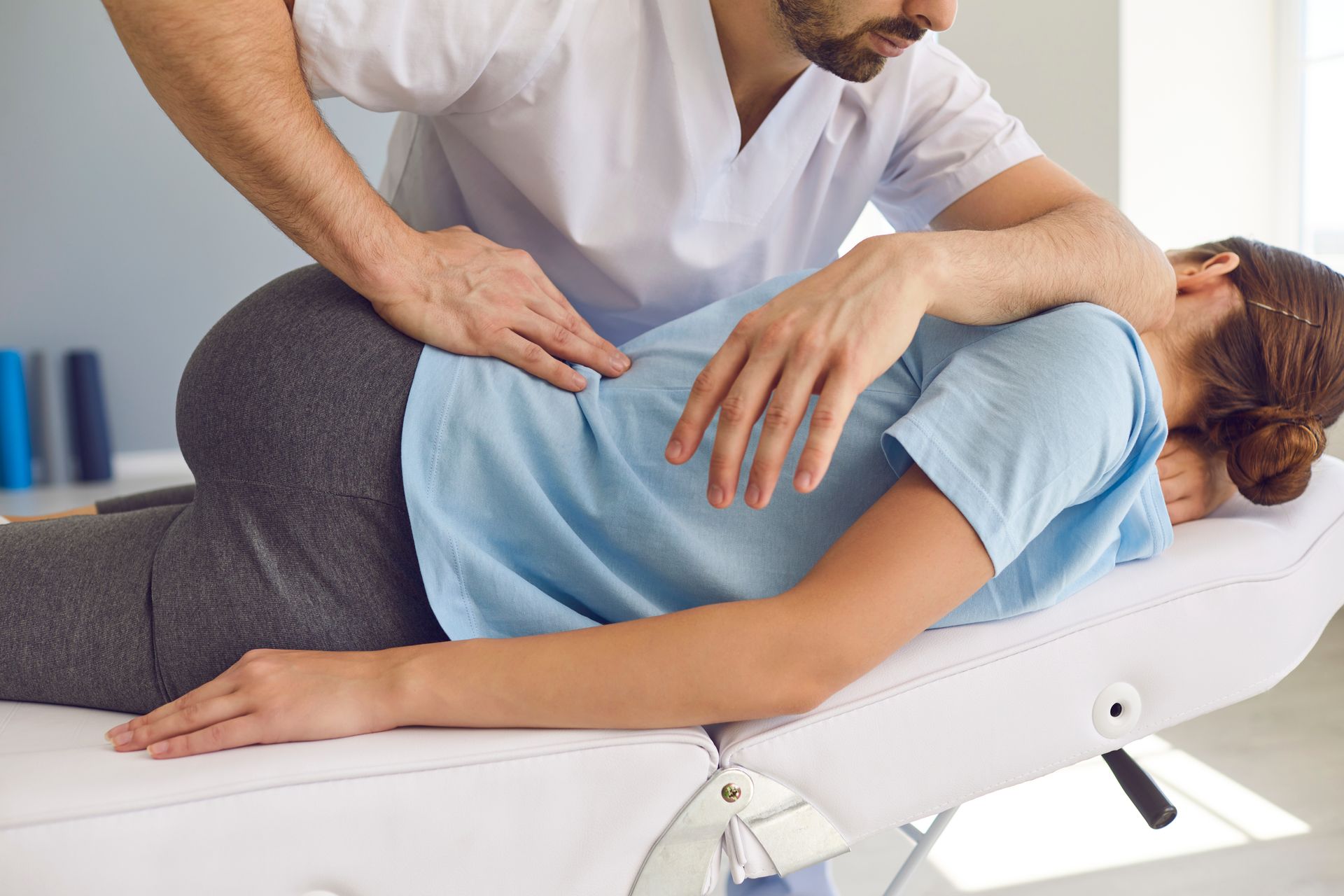
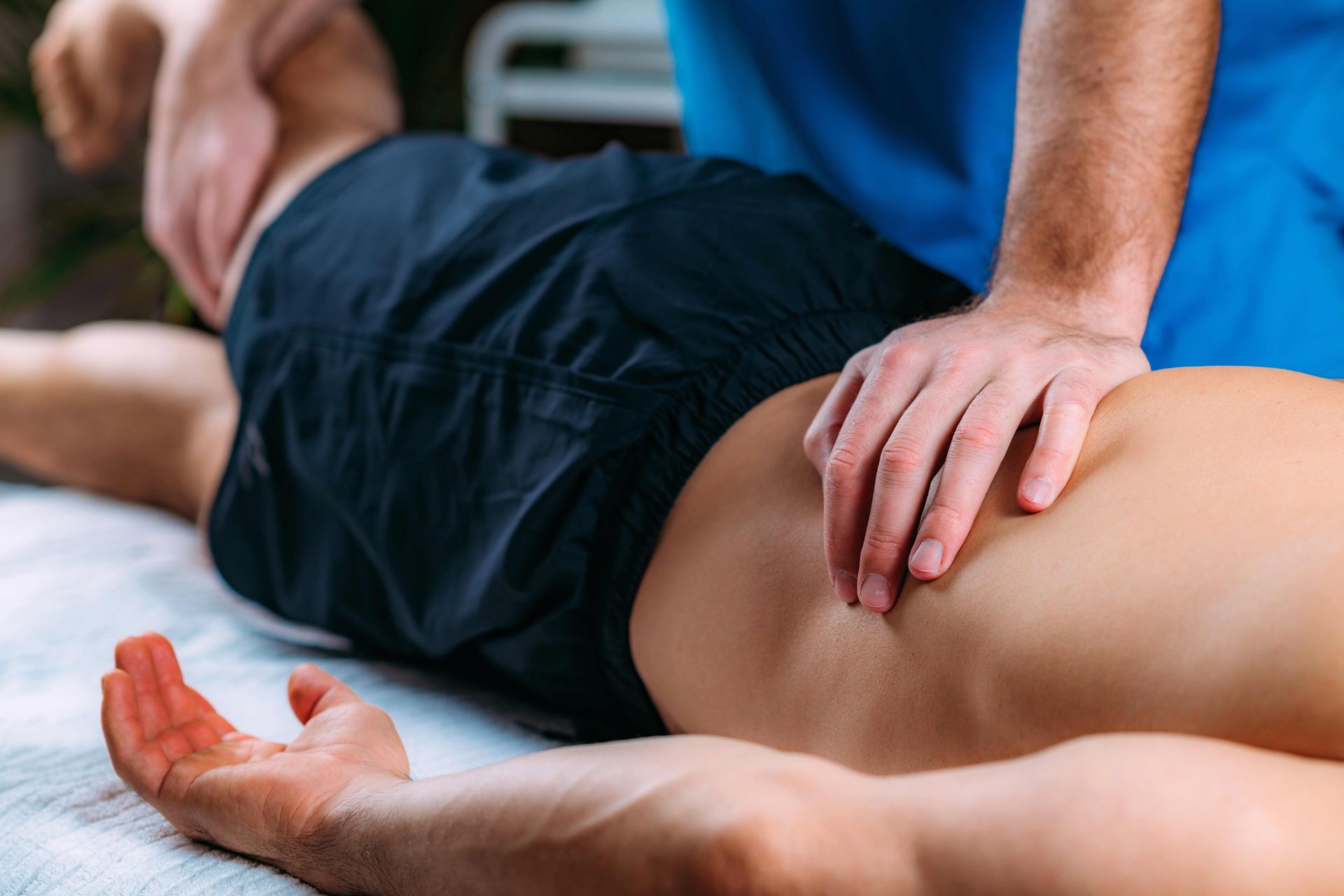
Chiropractic care may be considered for certain people with disc-related back pain, following an evaluation. The appropriateness of treatment depends on neurological findings, the suspected cause of symptoms, and other clinical factors.
No conservative treatment can guarantee that every herniated disc will heal or that surgery will never be necessary.
Can a Chiropractor Help You Avoid Surgery?
Some people with symptomatic disc herniations improve without surgery, and chiropractic care may be part of conservative management in selected cases.
However, it would be misleading to promise that chiropractic treatment will eliminate a herniation or prevent surgery in every situation.
The priority should be identifying the cause of your symptoms, determining whether conservative care is appropriate, and monitoring your response.
If there is significant or progressive neurological impairment, or if symptoms suggest a serious condition, prompt medical or surgical assessment may be necessary.
When Is Surgery Considered?
Surgery is not required for every herniated disc. Aspecialist may consider it when symptoms remain disabling despite appropriateconservative treatment or when clinical findings suggest that intervention maybe needed.
The decision depends on the individual's symptoms,examination findings, imaging, health status, and treatment goals.
Certain warning signs require urgent attention rather than a trial of routine conservative treatment.
Seek emergency medical care for new loss of bladder or bowel control, difficulty urinating, numbness around the groin or saddle area, or rapidly progressing weakness.
What Can You Do to Support Recovery?
Although you cannot control every factor affecting disc recovery, you can take practical steps to support your overall health and function.
- Follow a care plan tailored to your symptoms.
- Avoid repeatedly forcing movements that significantly aggravate pain.
- Maintain gentle activity when appropriate.
- Return to exercise and lifting gradually as tolerated.
- Seek reassessment when symptoms persist or worsen.
- Ask your healthcare professional which changes should prompt urgent care.
Avoid relying on guarantees, miracle cures, or claims that a single technique can permanently repair every disc problem.
Start With an Evaluation, Not Assumptions
If you have been diagnosed with a herniated disc, you deserve a clear explanation of your options.
Elite Total Wellness can be a starting point for discussing your symptoms and determining whether an evaluation is appropriate. A qualified professional can help you understand whether conservative care may fit your situation or whether additional medical assessment is needed.
Contact the practice to discuss your concerns and the next appropriate step for your spinal health.
Frequently Asked Questions
Can a herniated disc heal completely on its own?
Some herniations shrink through spontaneous resorption, and symptoms may improve considerably. Complete structural restoration is not guaranteed.
Is surgery the only solution for a herniated disc?
No. Many people improve with conservative management, although surgery may be appropriate in selected cases.
Can exercise help a herniated disc?
Appropriate exercise may support mobility and function, but the best approach depends on symptoms and clinical findings.
Can a herniated disc come back after recovery?
Disc-related symptoms can recur, and new disc problems may develop. Maintaining appropriate activity, using sound lifting strategies, and seeking guidance when symptoms return may help you manage your spinal health.