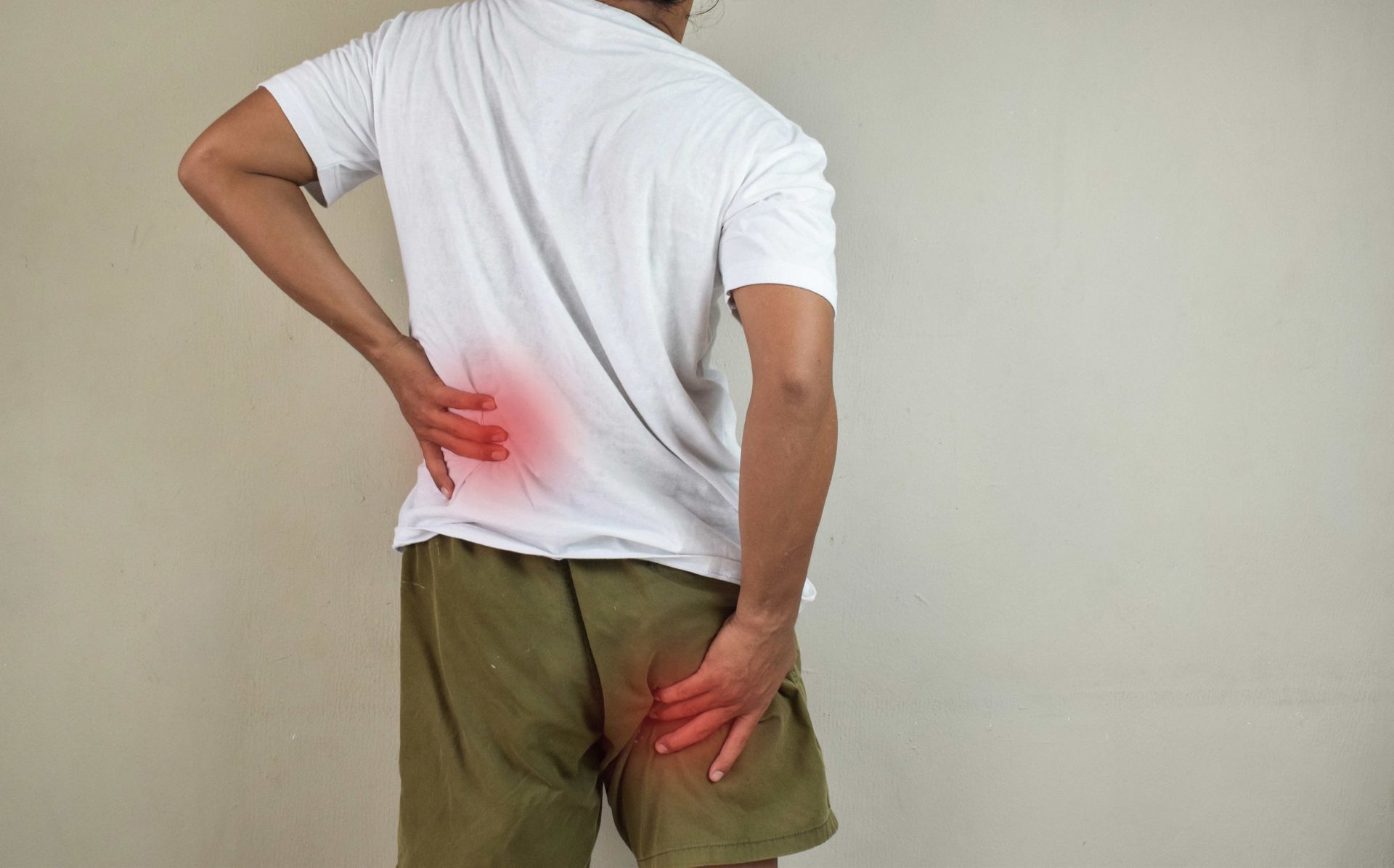
What Makes a Bulging Disc Worse?
What Makes a Bulging Disc Worse? Everyday Habits, Movement, and Back Care
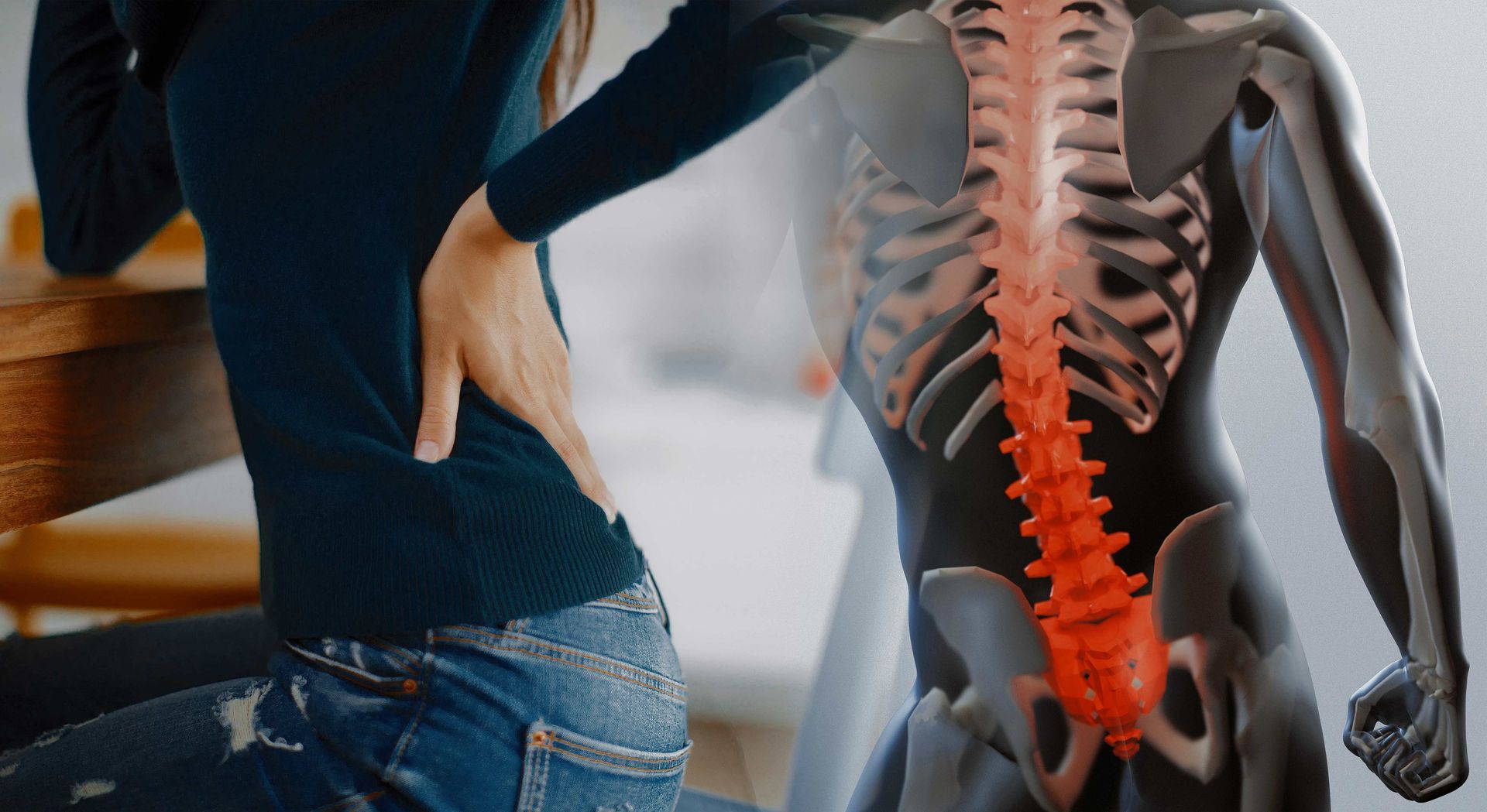
If you have a bulging disc, you may notice that certain everyday activities make your back feel worse. Sitting through a long meeting, bending to pick something up, driving, or standing for extended periods can sometimes aggravate discomfort.
The challenge is knowing which activities to modify without becoming unnecessarily afraid of movement.
A bulging disc does not automatically cause pain, and thesame activity can affect two people differently. The best approach is tounderstand your symptoms, identify your individual triggers, and seek guidancewhen discomfort persists.
1. Staying in One Position for Too Long
Long periods of sitting or standing can aggravate symptoms for some people, especially when a position is uncomfortable or difficult to maintain.
If sitting makes your back feel worse, try changing positions regularly. If standing is more uncomfortable, brief periods of sitting or gentle movement may help.
There is no single perfect posture that everyone must maintain all day. Comfortable variation is often more practical than trying to hold your body rigidly in one position.
2. Bending and Lifting Without Adjusting to Your Symptoms
Lifting a heavy object, bending repeatedly, or twisting while carrying a load may provoke back pain in some individuals.
That does not mean bending or lifting is always harmful. Rather, the amount of load, frequency, technique, and current symptoms can influence how comfortable a movement feels.
Consider these practical strategies:
- Keep loads close to your body when lifting.
- Avoid sudden twisting while carrying heavy objects.
- Break large loads into smaller, manageable amounts.
- Use assistance when a task exceeds your current comfort or capacity.
- Modify movements that consistently trigger sharp or radiating pain.
If you experience increasing leg pain, numbness, or weakness, stop the aggravating activity and seek appropriate guidance.
3. Returning to Intense Exercise Too Quickly
Physical activity is important for general health, but suddenly increasing exercise intensity may aggravate symptoms when your back is already irritated.
Instead of assuming you must stop exercising altogether, consider whether your routine needs temporary adjustments.
Depending on your symptoms, gentler activities or shorter sessions may be better tolerated. A healthcare professional can help you identify appropriate movements and a gradual return to your usual routine.
Avoid exercises that produce escalating pain or new neurological symptoms.
4. Ignoring Sleep and Recovery
Back discomfort can interfere with sleep, and poor sleep may make pain harder to manage.
There is no universally correct sleeping position for everyone with a bulging disc. Experimenting with comfortable positions and using pillows for support may help you rest more easily.
If pain repeatedly wakes you, prevents normal activity, or continues to worsen, consider arranging a professional evaluation rather than relying only on changes to your sleep position.
5. Assuming Every Bulging Disc Requires the Same Treatment
Disc bulges vary in location, size, and clinical significance. Some are incidental findings on imaging, while others may contribute to symptoms.
Treatment decisions should be based on the whole clinical picture, including pain patterns, neurological findings, activity limitations, and medical history.
A bulging disc in the lower back may require a different approach from a disc problem in the neck. Even two people with similar imaging findings may need different care plans.
What Activities Should You Avoid With a Bulging Disc?
There is no universal list of activities that every person with a bulging disc must avoid permanently.
Instead, pay attention to movements that reliably worsen your symptoms. Temporary modifications may be helpful, but prolonged inactivity and fear of all movement are not necessarily beneficial.
A qualified clinician can help determine whether your symptoms are consistent with a disc problem and recommend appropriate next steps.
Can Chiropractic Care Help With Bulging Disc Symptoms?
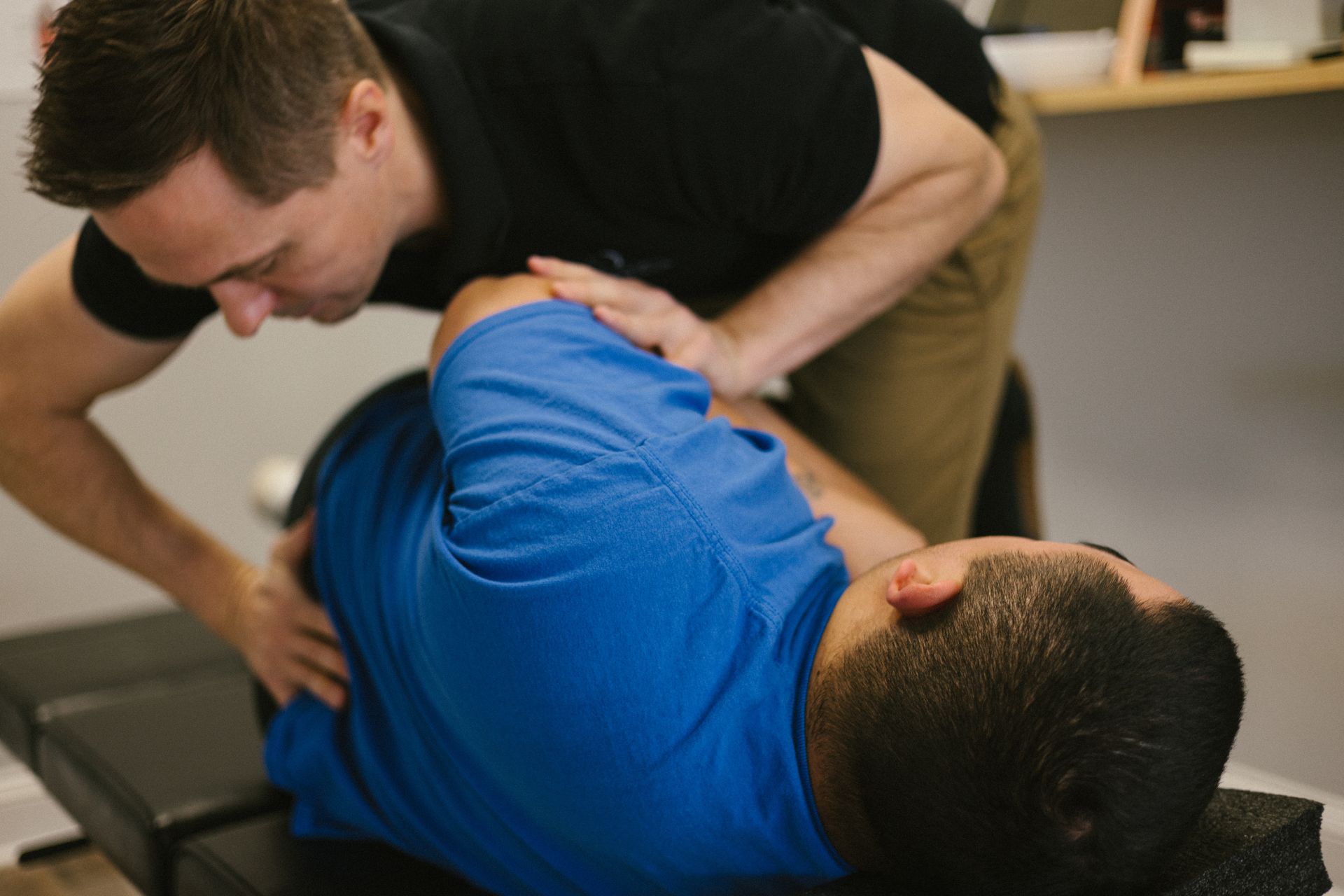
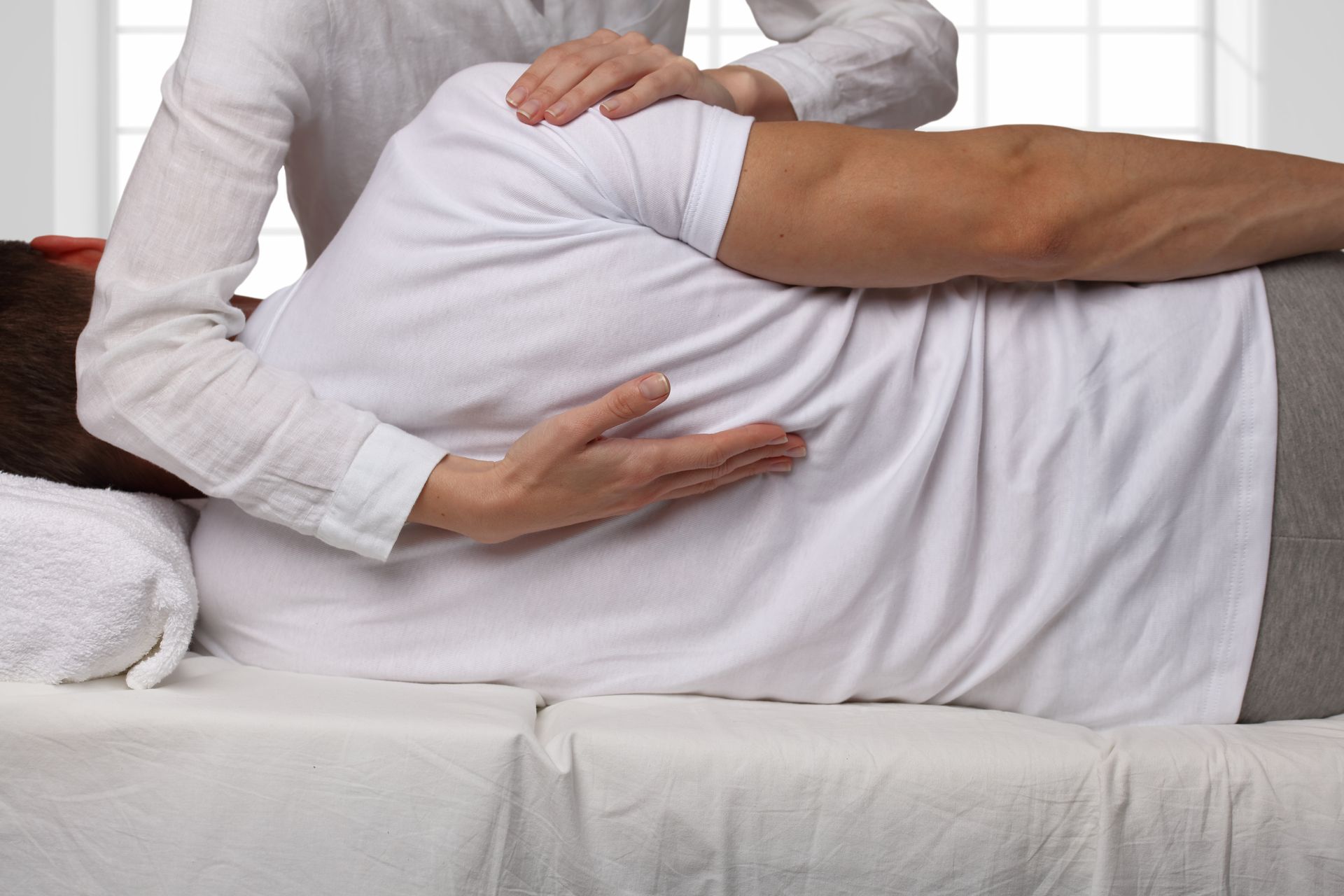
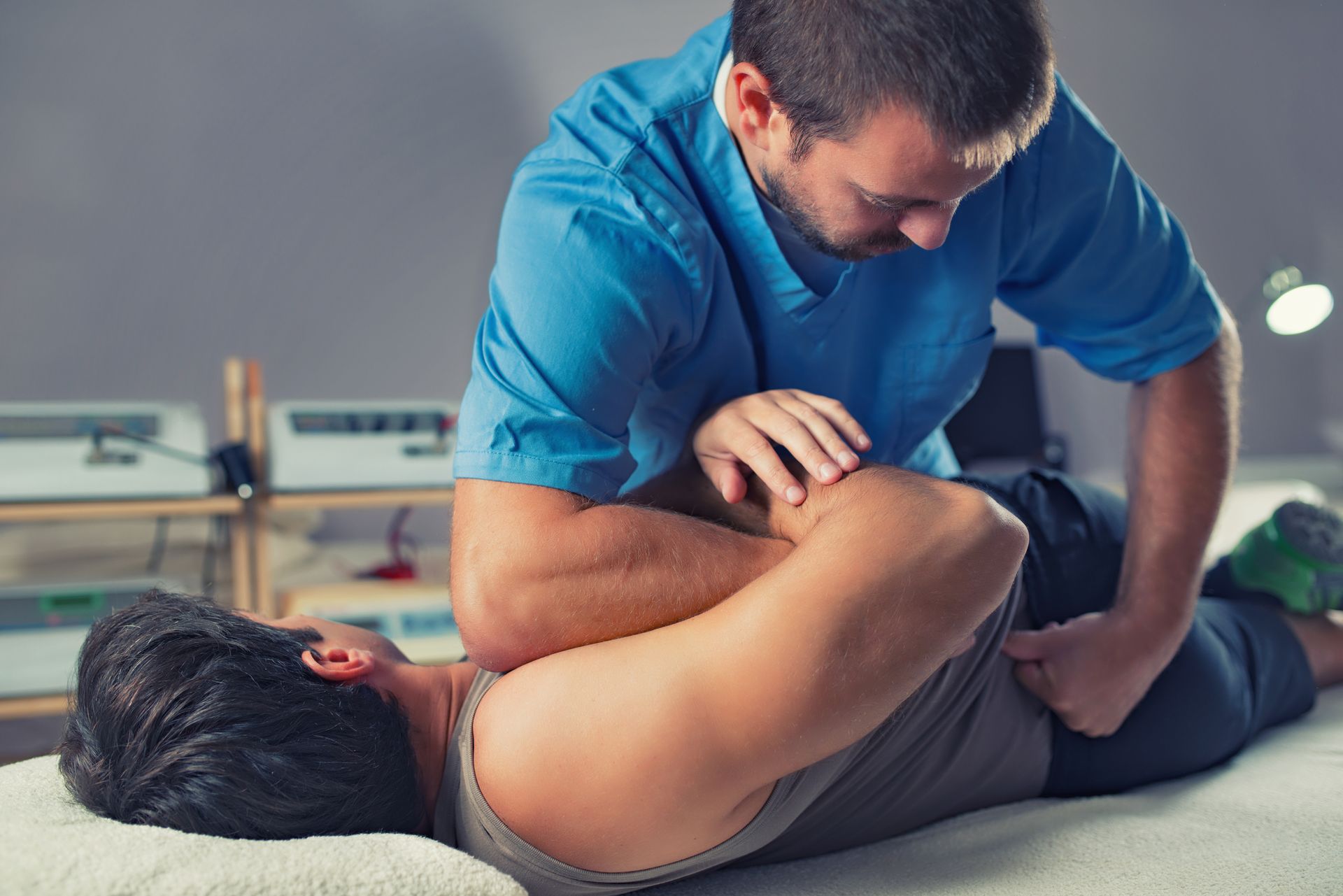
For selected individuals, chiropractic care may be considered as part of conservative management for back pain.
An evaluation is important to determine whether the symptoms are appropriate for chiropractic care and which approaches, if any, are suitable. Treatment may involve movement advice, activity modification, or selected manual techniques, depending on the findings.
Chiropractic care is not a guarantee that a bulging disc will shrink or that all symptoms will disappear.
Warning Signs You Should Never Ignore
Seek emergency medical attention if back pain is accompanied by new loss of bladder or bowel control, difficulty urinating, numbness around the groin or saddle region, or rapidly progressing leg weakness.
Persistent pain, new numbness, or worsening symptoms should also prompt timely medical assessment.
Take a More Informed Approach to Your Spinal Health
Living with back pain can make you question every movement. The goal is not to avoid life but to understand what your body is telling you and find an appropriate path forward.
Contact Elite Total Wellness to discuss your symptoms and learn whether an evaluation may be beneficial.
Frequently Asked Questions
Is walking bad for a bulging disc?
Not necessarily. Gentle walking may be well tolerated by some people, while others may need to adjust duration or pace according to their symptoms.
Should I avoid bending if I have a bulging disc?
Not automatically. Certain bending movements may aggravate symptoms, but appropriate movement and lifting strategies can be individualized.
Can sitting make a bulging disc worse?
Prolonged sitting can aggravate symptoms in some people, but sitting does not automatically damage a disc. Changing positions and taking movement breaks may help.
Can a bulging disc improve without surgery?
Many people are managed without surgery when appropriate. The outlook depends on the cause of symptoms, severity, and individual circumstances.