Can a Herniated Disc Cause Sciatica, Leg Pain, or Numbness?
Can a Herniated Disc Cause Sciatica, Leg Pain, or Numbness?
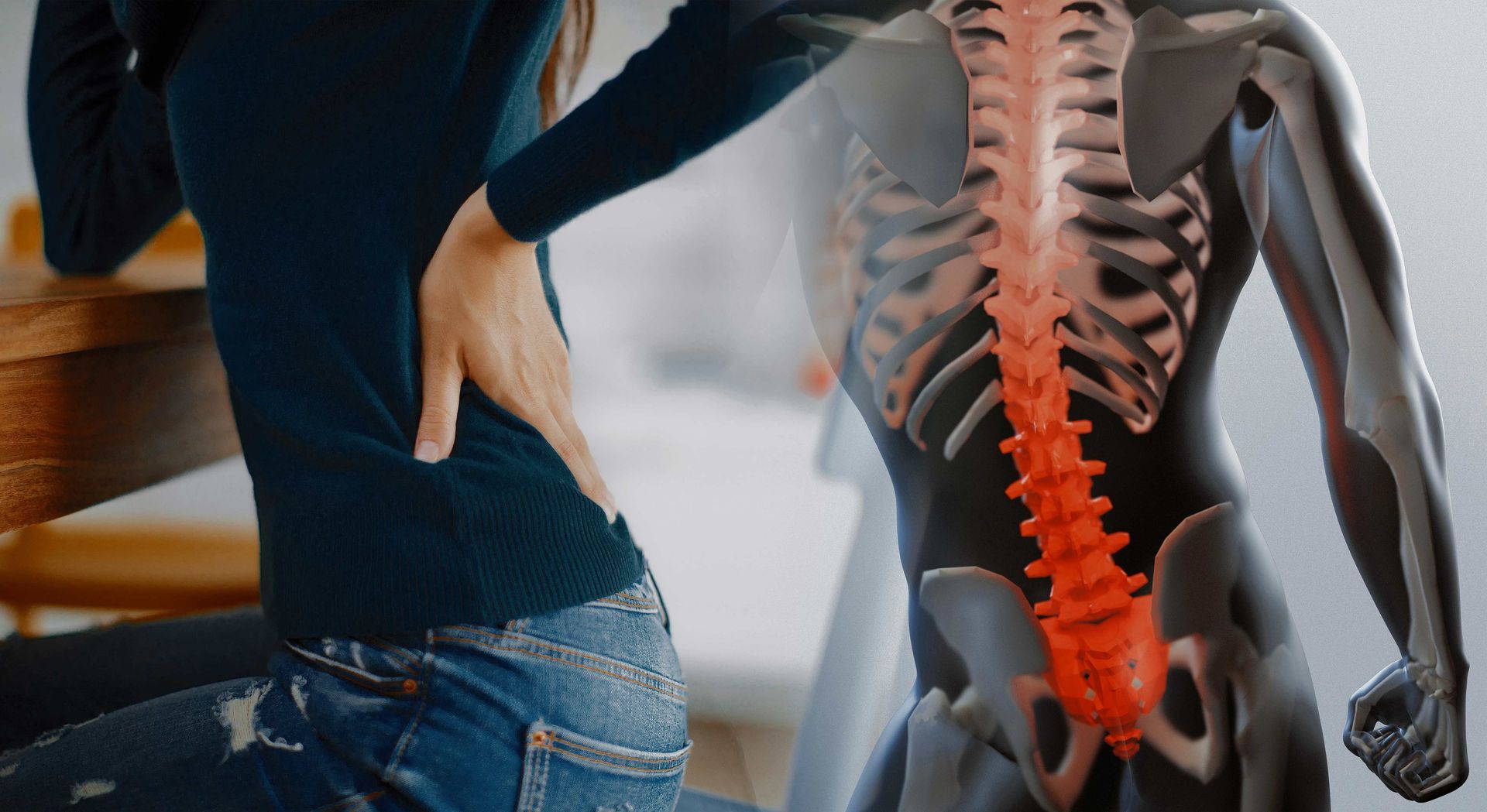
Do you experience lower back pain that travels into your buttocks or down one leg? Perhaps you feel tingling in your foot, numbness in your calf, or an uncomfortable sensation that makes sitting for extended periods difficult.
These symptoms may be associated with sciatica, which can sometimes develop when a herniated disc irritates or compresses a nerve in the lower back.
Understanding the relationship between spinal discs and nerve pain is an important step toward finding appropriate care.
What Is Sciatica?
Sciatica describes symptoms associated with irritation of the sciatic nerve or its nerve roots. The sciatic nerve travels from the lower back through the buttock and down each leg.
When the nerve roots that contribute to the sciatic nerve become irritated, pain may travel along part of this pathway.
People often describe sciatica as:
- Sharp, shooting, or burning pain.
- Pain that travels from the lower back into the buttock or leg.
- Tingling or pins-and-needles sensations.
- Numbness in portions of the leg or foot.
- Symptoms that worsen with certain positions or activities.
Sciatica often affects one side, although symptoms vary. Not every case of radiating leg pain is caused by a disc problem.
How Can a Herniated Disc Affect a Nerve?
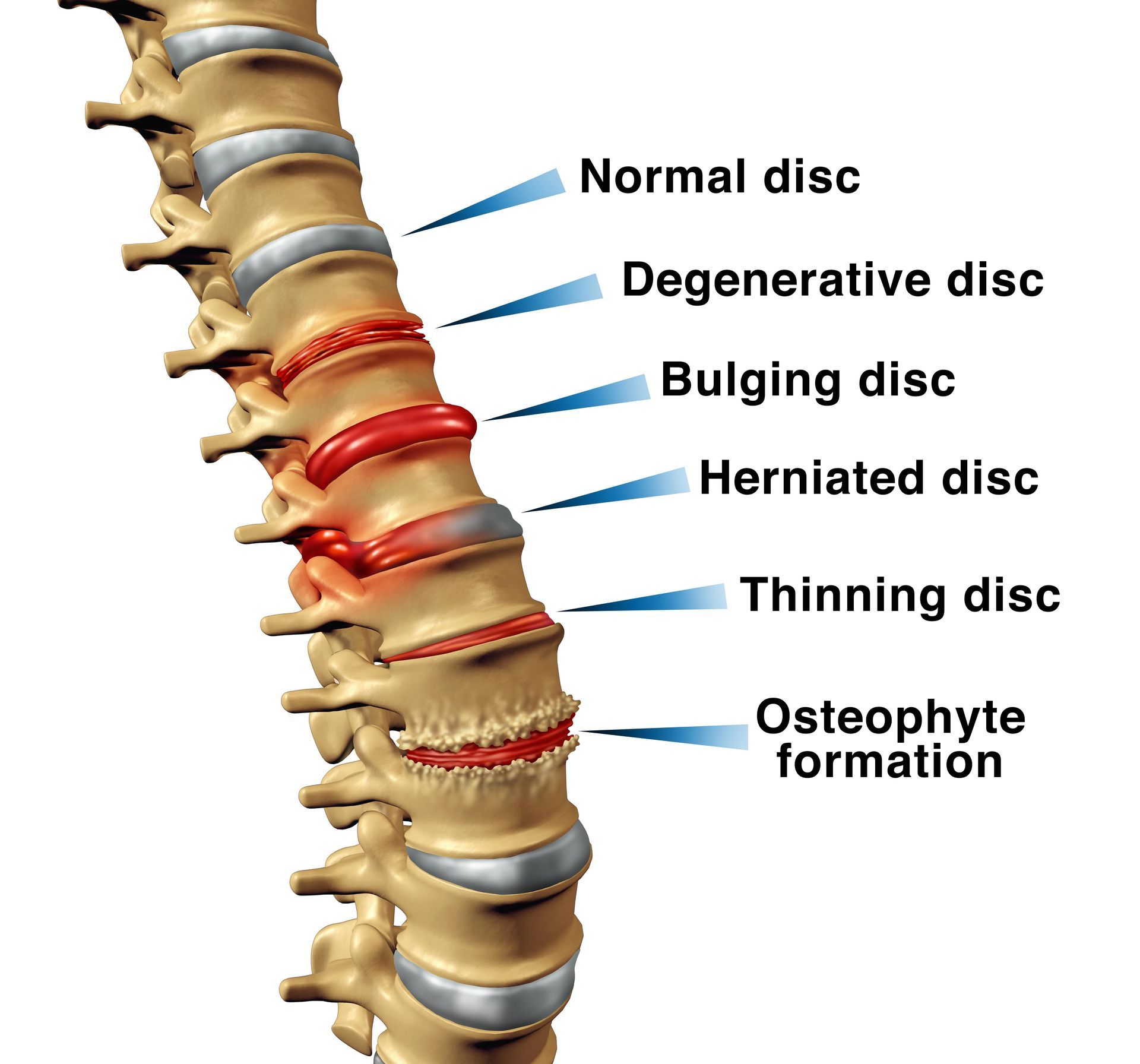
Spinal discs sit close to the nerves that exit the spinal canal. When a disc herniates, the displaced material may irritate or compress a nearby nerve root.
This can produce symptoms beyond the lower back. For example, a person may experience relatively mild back discomfort but significant pain traveling down the leg.
The location of the affected disc and nerve helps determine where symptoms occur.
A healthcare professional can evaluate the pattern of pain, muscle strength, sensation, reflexes, and other findings to help identify the likely source.
Why Does the Pain Sometimes Travel Down the Leg?
Nerves transmit information between the brain, spinal cord, and the rest of the body. When a nerve root is irritated, symptoms can appear along the areas that nerve serves.
That is why a problem in the lower back can produce symptoms in the thigh, calf, or foot.
However, similar symptoms can arise from other conditions involving the spine, hip, peripheral nerves, or surrounding tissues. A proper evaluation matters because treatment should address the likely cause rather than simply the location of the pain.
What Can Make Sciatica Symptoms Worse?
The experience differs from person to person. Some people notice symptoms when sitting for long periods, bending forward, lifting, coughing, or performing certain repetitive movements. Others feel worse while standing or walking.
There is no universal list of movements that every person with a herniated disc must avoid.
Instead, pay attention to activities that consistently aggravate your symptoms. Temporarily modifying those activities and seeking individualized guidance may help you remain active without unnecessarily provoking discomfort.
Avoid forcing stretches or exercises that cause increasing pain, numbness, or weakness.
Can Chiropractic Care Help With Sciatica?
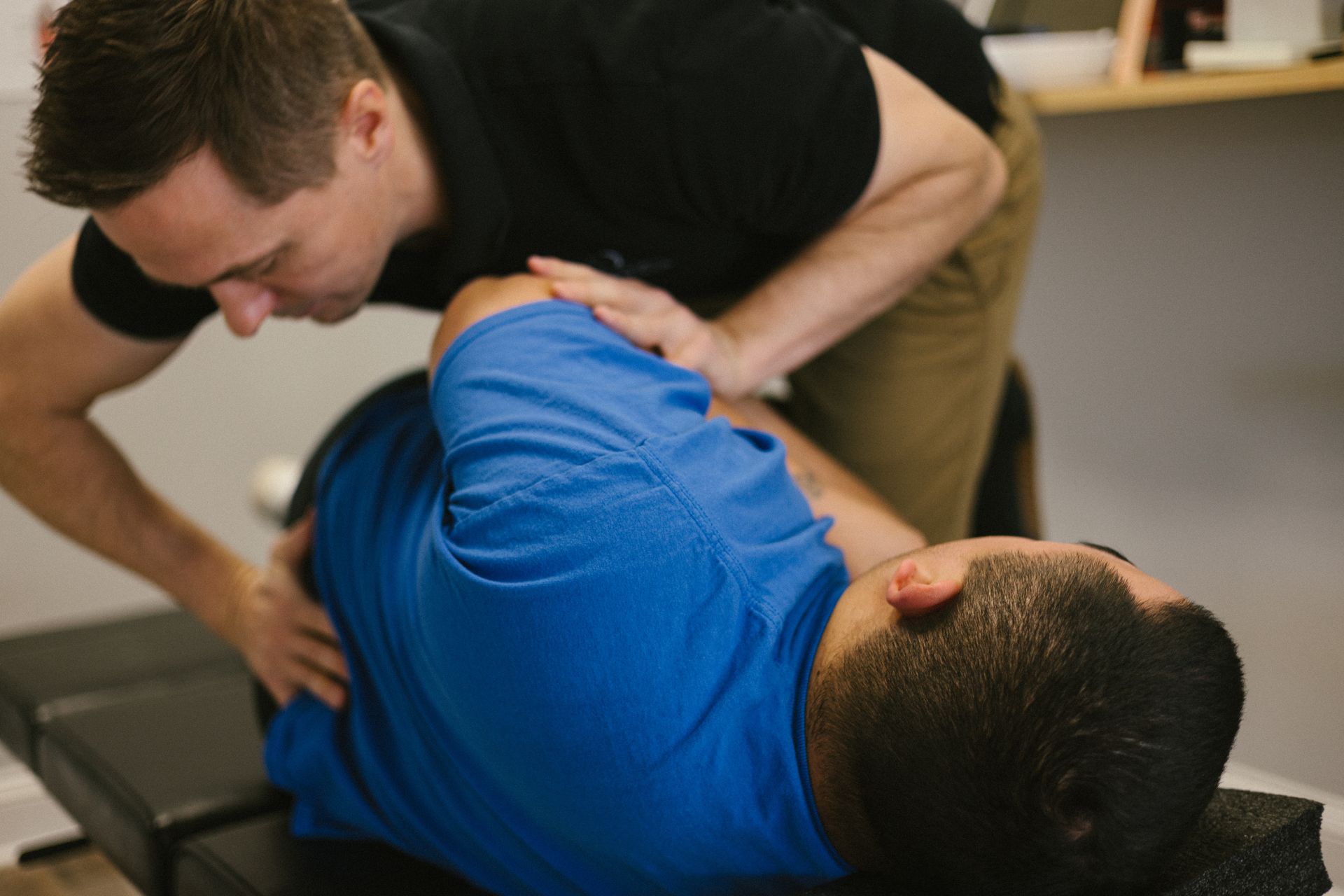
For some individuals, chiropractic care may be considered as part of a conservative approach to managing low back pain and related symptoms.
The first step is determining whether the symptoms are appropriate for chiropractic treatment. This is especially important when numbness, weakness, or significant radiating pain is present.
Depending on the findings, a care plan may involve movement guidance, activity modification, selected manual techniques, or coordination with another healthcare professional.
Chiropractic treatment is not guaranteed to eliminate sciatica, correct every disc herniation, or prevent the need for other treatment. If symptoms suggest significant nerve impairment, further medical evaluation may take priority.
When Is Sciatica an Emergency?
Seek emergency care for new loss of bladder or bowel control, difficulty urinating, numbness around the groin or saddle area, or rapidly progressing weakness in the legs. These symptoms may indicate serious nerve compression.
New or worsening muscle weakness should also receive prompt medical attention.
If your symptoms persist, interfere with daily activities, or continue to worsen, arrange an evaluation rather than assuming the problem will resolve on its own.
Find Out What May Be Contributing to Your Symptoms
Pain that travels from your back into your leg can be frustrating and disruptive. Identifying whether a disc problem, nerve irritation, or another condition is contributing to your symptoms can help guide the next step.
Contact Elite Total Wellness to discuss your concerns and learn whether an evaluation is appropriate.
Frequently Asked Questions
Can a herniated disc cause leg pain without back pain?
Yes. Some people experience leg pain as their primary symptom, even when back pain is minimal.
How long does sciatica from a herniated disc last?
Recovery varies depending on the cause, severity, and individual circumstances. Some episodes improve over several weeks, while others persist and require further assessment.
Can walking help sciatica?
Gentle activity may be beneficial for some people, but the appropriate amount depends on symptoms and function. Stop and seek guidance if activity significantly worsens symptoms or weakness develops.
Should I see a chiropractor for sciatica?
A chiropractor may be appropriate for some cases, but an initial evaluation is important to identify warning signs and determine whether chiropractic care is suitable.