Herniated Disc vs. Bulging Disc
Herniated Disc vs. Bulging Disc: What's the Difference?
Back pain can make even the simplest activities feel challenging. Whether you're struggling to sit comfortably, bend over, sleep through the night, or enjoy your normal routine, persistent discomfort can leave you searching for answers.
Two terms that frequently come up when discussing back pain are bulging discs and herniated discs. Although these conditions affect the spinal discs, they are not exactly the same. Understanding the difference can help you make more informed decisions about your spinal health and available treatment options.
At Elite Total Wellness, learning about the potential source of your discomfort is an important first step toward finding an appropriate care plan.
What Is a Spinal Disc?
Your spine contains a series of bones called vertebrae. Between these bones are intervertebral discs that help absorb forces, provide cushioning, and allow the spine to move.
Each disc has a strong outer layer and a softer, gel-like center. These structures help your spine tolerate the demands of everyday movement.
Over time, aging, repetitive stress, injury, and other factors can contribute to changes in the discs. Sometimes these changes occur without symptoms. In other cases, a disc may contribute to back pain or irritation of a nearby nerve.
What Is a Bulging Disc?
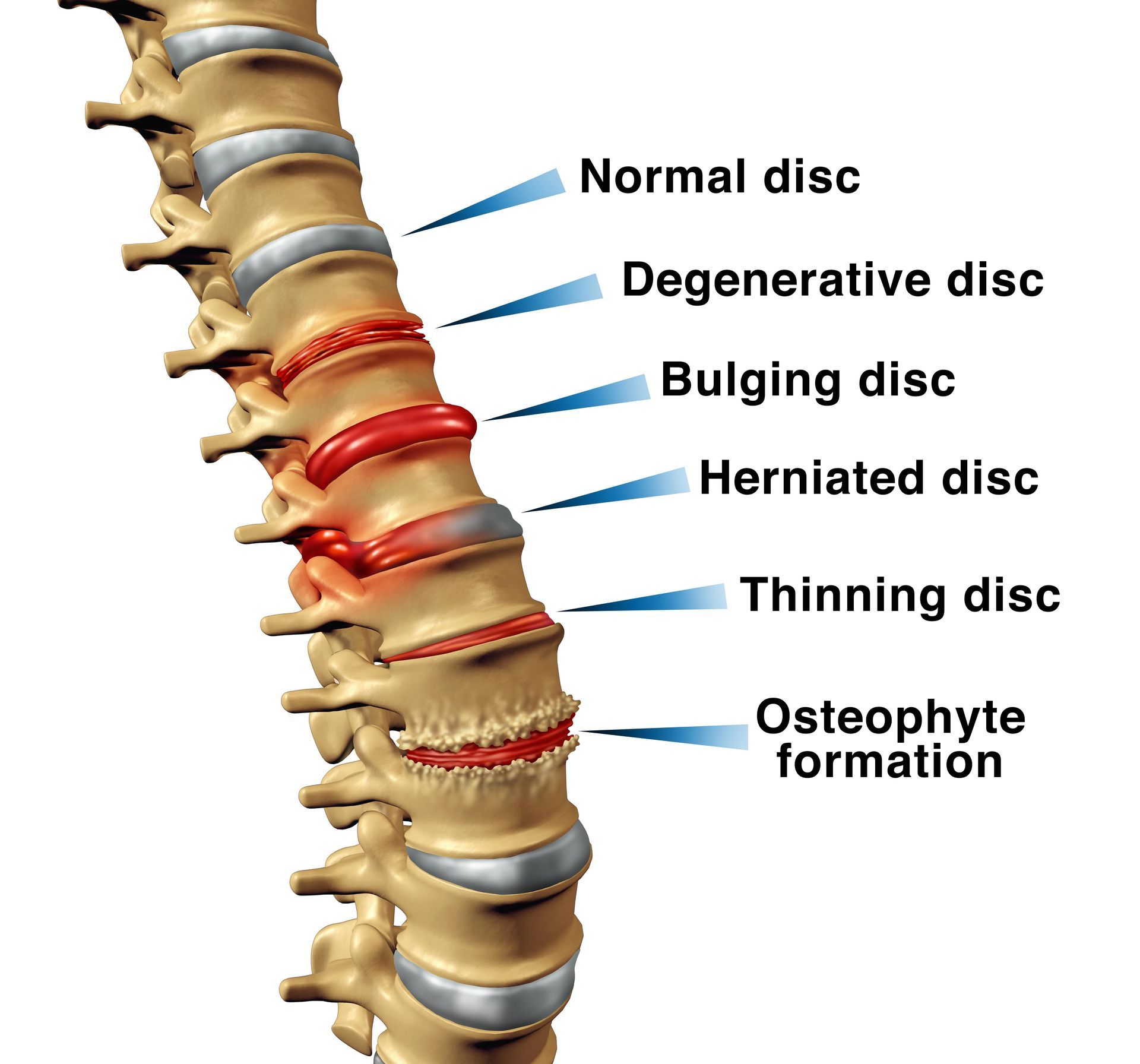
A bulging disc occurs when the outer contour of a spinal disc extends beyond its usual boundary over a broader area.
Think of a disc as a cushion that begins to spread outward under pressure. The outer layer remains intact, but the disc's shape changes.
Common factors associated with disc bulging include:
- Age-related changes in the spine.
- Repetitive bending or lifting.
- Prolonged positions that aggravate symptoms.
- Previous injuries and cumulative mechanical stress.
A bulging disc does not automatically mean you will experience pain. Some people have disc bulges that appear on imaging but cause no symptoms at all.
What Is a Herniated Disc?
A herniated disc occurs when disc material pushes through a weakened or damaged area of the outer layer. Depending on its location and size, the herniation may irritate or compress nearby nerves.
Symptoms can vary depending on which part of the spine is affected.
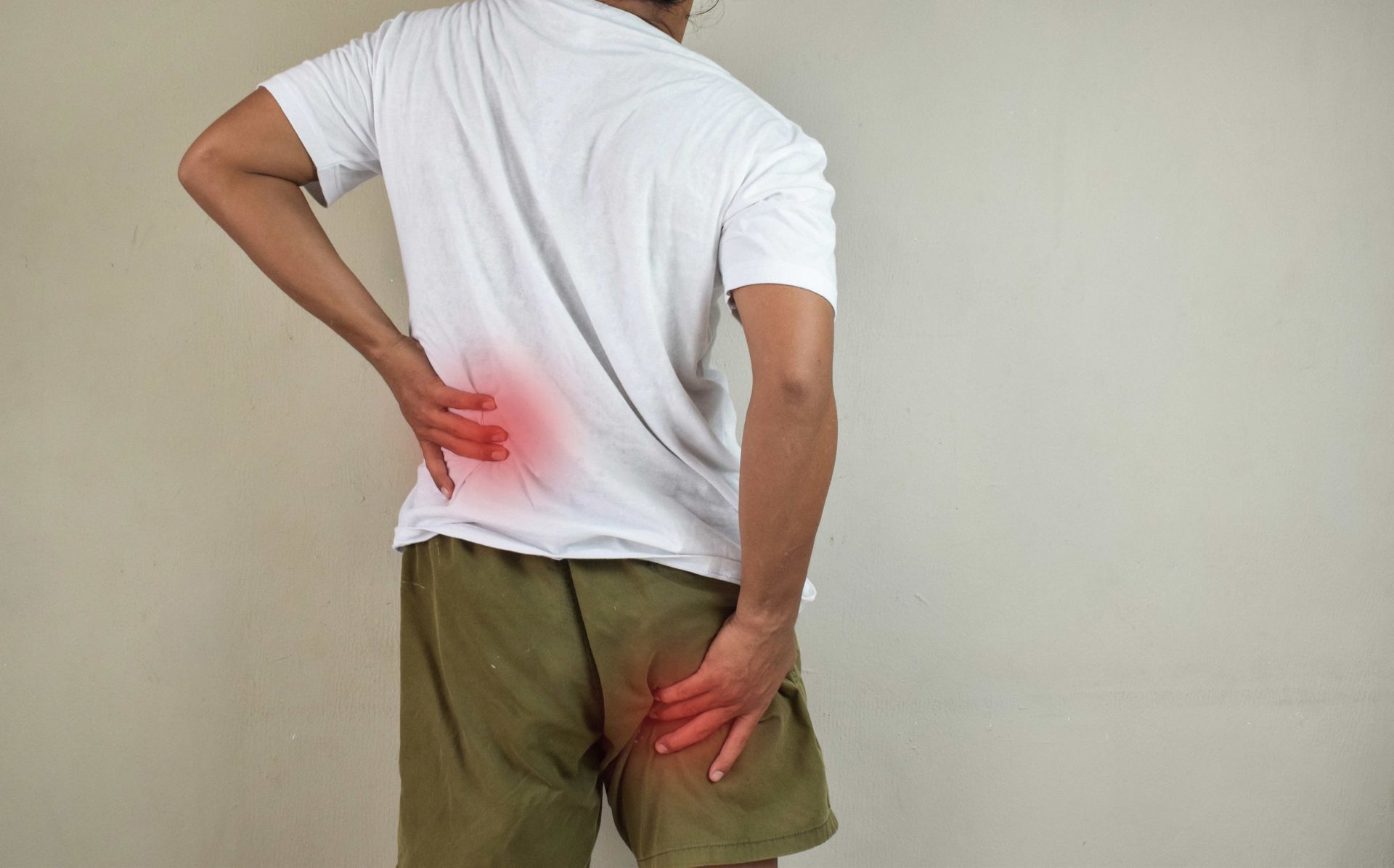
A herniated disc in the lower back may be associated with lower back pain, pain traveling into the buttock or leg, tingling, or numbness. A disc problem in the neck may contribute to neck pain or symptoms extending into the shoulder, arm, or hand.
Weakness can also occur when a nerve is affected. New or worsening weakness deserves prompt medical assessment.
How Can You Tell Which Disc Problem You Have?
Symptoms alone cannot reliably distinguish a bulging disc from a herniated disc. A qualified healthcare professional may evaluate your symptoms, medical history, movement, strength, sensation, and other findings to determine the next steps.
Imaging, such as an MRI, may be appropriate when clinically indicated. However, imaging findings need to be interpreted alongside your symptoms and examination because disc changes can also occur in people who feel perfectly fine.
Can Chiropractic Care Help With Disc-Related Back Pain?
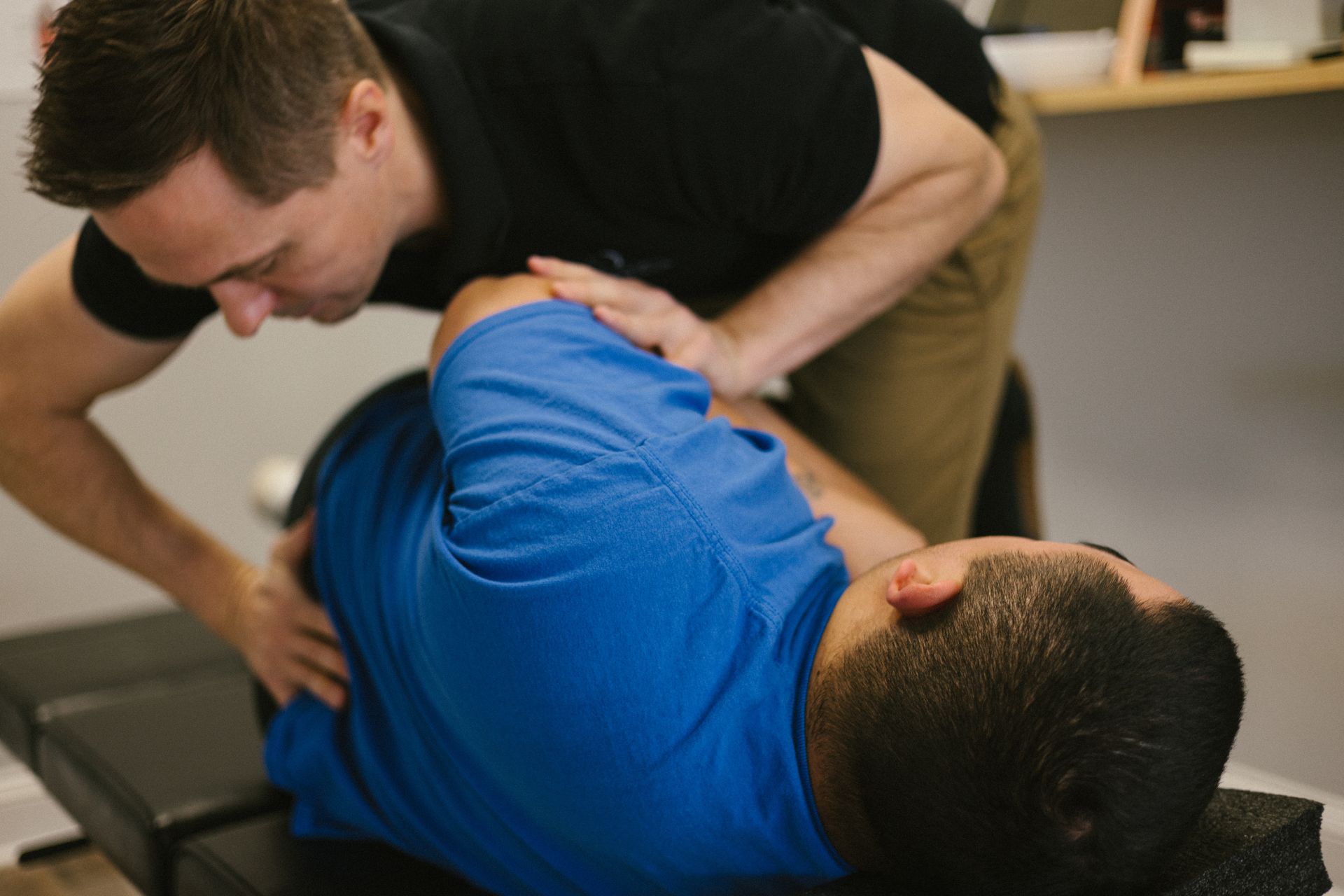
Chiropractic care may be one component of conservative care for selected people experiencing back pain associated with disc problems. The appropriate approach depends on the location and severity of symptoms, neurological findings, medical history, and other individual factors.
A thorough evaluation can help determine whether chiropractic care is appropriate or whether referral for additional medical assessment is needed.
Treatment plans may include individualized movement guidance, activity modifications, and other conservative strategies. Spinal manipulation is not appropriate for every disc condition, and techniques should be selected according to the individual's clinical presentation.
The goal is to support safe function and symptom management rather than promise that a disc will be restored to its original shape.
When Should You Seek Medical Attention?
Seek emergency medical care if back pain is accompanied by new loss of bladder or bowel control, difficulty urinating, numbness around the groin or saddle region, or rapidly progressing leg weakness. These can be signs of a serious condition requiring urgent evaluation.
Persistent, severe, or worsening symptoms also warrant professional assessment.
Take the Next Step Toward Understanding Your Back Pain
You do not have to guess what is causing your discomfort. Understanding the difference between a herniated disc and a bulging disc can help you have a more productive conversation with your healthcare provider.
Contact Elite Total Wellness to discuss your symptoms and learn whether an evaluation is appropriate for your situation.
Frequently Asked Questions
Is a bulging disc worse than a herniated disc?
Not necessarily. The seriousness of a disc condition depends on its location, symptoms, nerve involvement, and functional impact, not just the label.
Can a bulging disc become a herniated disc?
Disc changes can progress, but a bulging disc does not inevitably become herniated. Each case is different.
Can you have a herniated disc without pain?
Yes. Some people have disc herniations visible on imaging without noticeable symptoms.
Does a herniated disc always require surgery?
No. Many people are initially managed with conservative care when appropriate. Surgery may be considered in selected cases based on symptoms, neurological findings, and response to treatment.